Antelope Hot Springs
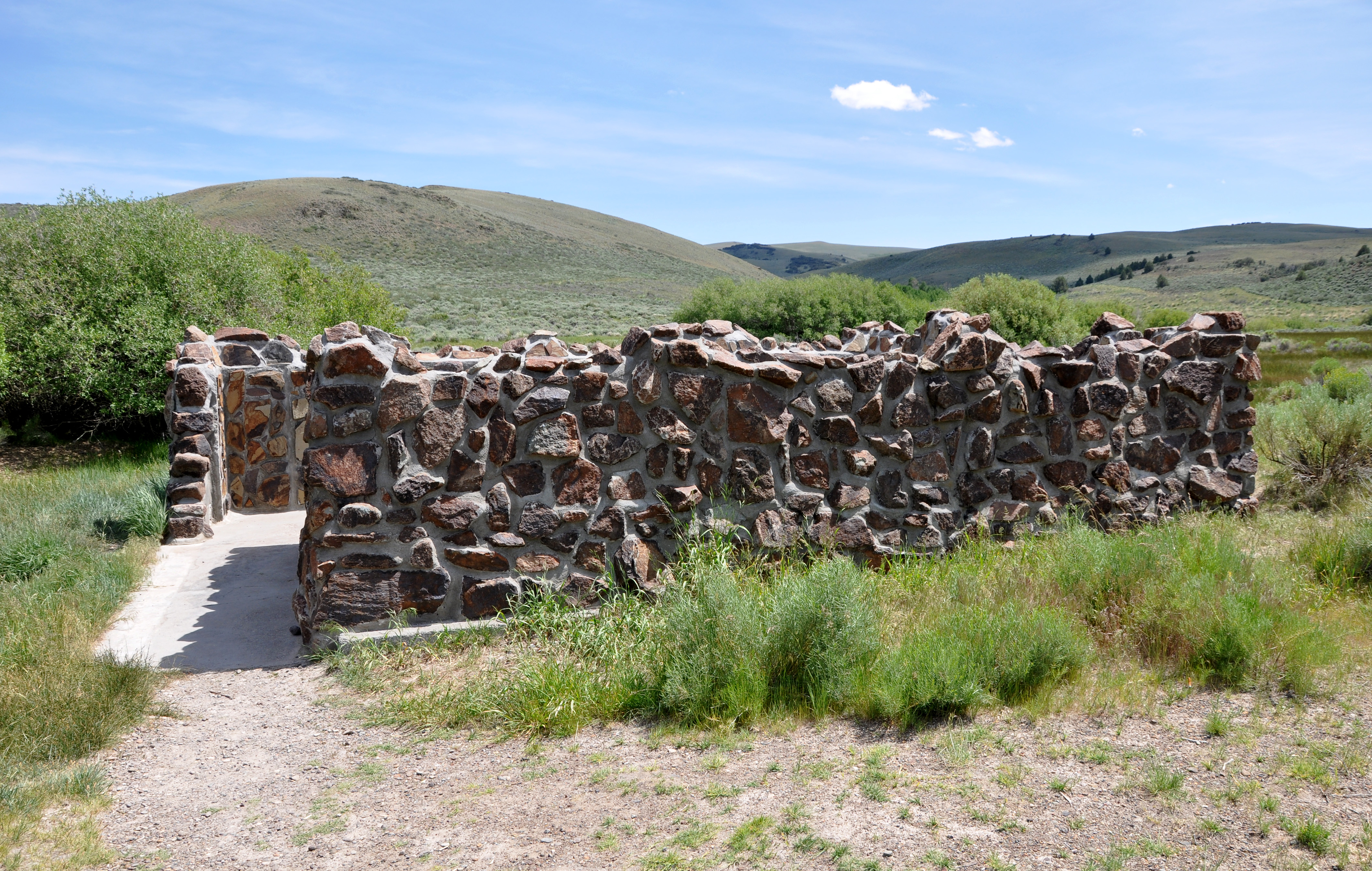
Antelope Hot Springs flows at 104°F in Hart Mountain National Antelope Refuge at 5,955 feet elevation, emerging 59 degrees above ambient temperature under US Fish and Wildlife Service management with restricted public access. Recent USGS measurements confirmed 43.8°C water with neutral pH 7.4 in a semi-improved pool approximately 5 feet deep and 9 by 12 feet across.
The springs occupy the western fault scarp terrain of Hart Mountain in Lake County, where steep slopes rise above the Warner Valley floor to the west. The landscape receives 14.8 inches of annual precipitation including 51.8 inches of snow, supporting aspen groves, mountain mahogany, and sagebrush vegetation across elevation gradients from valley floor to mountain summit. The refuge protects pronghorn antelope habitat across this fault-block landscape 67.4 miles northeast of Lakeview and 12 miles northeast of Plush.
The springs share the name Hart Mountain, itself named for early settler Hart who ranched this country in the 19th century. The thermal feature attracted travelers and ranchers crossing this remote southeastern Oregon landscape before federal protection, and the site received designation as Hart Mountain National Antelope Refuge in 1936 to protect pronghorn populations. The springs flow today in primitive condition suitable for camping under refuge regulations.
Visit during late spring through early fall; winter brings deep snow and road closures. Access requires navigating approximately 28 miles of graded gravel roads from Plush, passable for standard vehicles in dry conditions but challenging when wet. Refuge regulations govern camping and spring use; verify current access status with refuge headquarters. The 5,955-foot elevation demands preparedness for altitude effects and rapid weather changes.
Is Antelope Hot Springs worth visiting?
Best for
- Hot spring soaking
The water at Antelope Hot Springs is slightly alkaline (pH 7.4).