Flag Springs
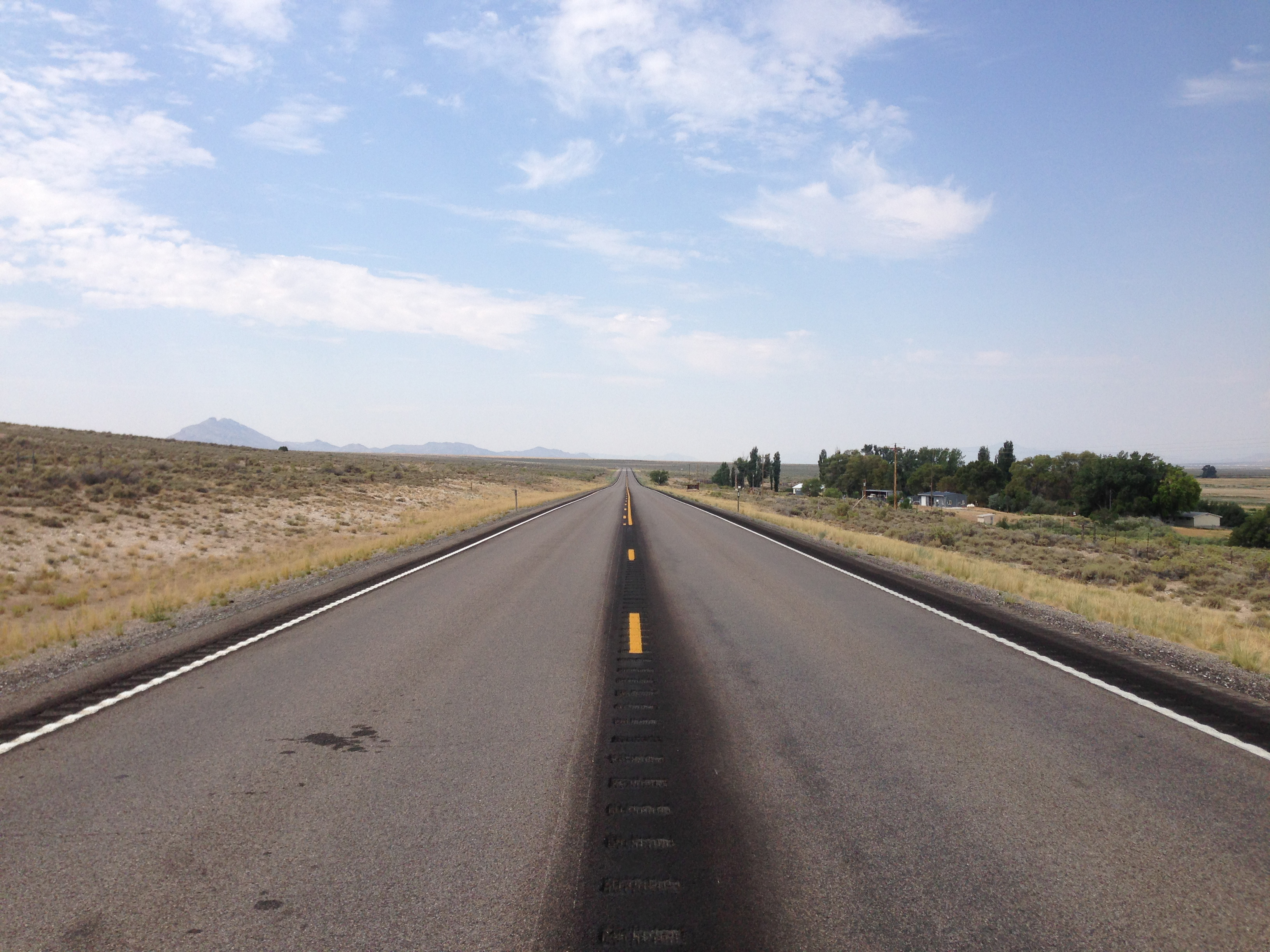
Flag Springs flows at 75°F within Wayne E. Kirch Wildlife Management Area at 5,280 feet elevation in Lincoln County. State Department of Wildlife manages this spring under Category 2 protection status with restricted public access to safeguard wildlife habitat and water resources. Recent USGS measurements confirm 18°C temperature, with water chemistry showing 256 mg/L total dissolved solids and calcium-magnesium bicarbonate dominance. The spring emerges 39 meters from the nearest road.
The spring sits within high desert valley terrain characteristic of eastern Nevada's basin-and-range landscape, where sagebrush steppe and pinyon-juniper woodland transition across elevation gradients. At 5,280 feet, the area receives 9 inches annual precipitation with 26 inches of winter snow. Annual air temperatures average 54.3°F with summer heat and winter cold typical of continental interior climate. The wildlife management area encompasses spring-fed wetlands supporting waterfowl, upland game birds, and big game populations. Surrounding public lands extend across open basins toward the Highland Range and surrounding mountains visible from the spring area.
Wayne E. Kirch Wildlife Management Area was established to protect critical water sources and habitat in the arid Great Basin, where springs serve as biological hotspots supporting disproportionate wildlife diversity. The area honors conservation efforts in a region where water development historically prioritized livestock and mining over wildlife needs. Flag Springs likely takes its name from marker flags used by surveyors, ranchers, or wildlife managers, though specific etymology is not documented in state records. The spring has provided water for wildlife and limited livestock use under state management protocols.
Access requires permission from Nevada Department of Wildlife; contact the department's regional office for current regulations and seasonal restrictions. Spring and fall provide optimal wildlife viewing as migratory birds utilize wetland habitat. Summer heat can be intense, while winter brings freezing temperatures and potential snow cover limiting access. Roadside location allows easy viewing when access is granted. Bring binoculars for wildlife observation and respect closures designed to minimize disturbance during sensitive breeding and migration periods. Nearest developed services are in Pioche.
Is Flag Springs worth visiting?
Best for
- Easy day trips
The water at Flag Springs contains 256 mg/L total dissolved solids.